Consulting: Market Research
A feasibility study determines whether your rehab center can succeed in your market before you spend a dollar on property or licensing. We run them as consultants who built a center of our own.
A rehab feasibility study is a structured feasibility analysis that determines whether a proposed project can succeed in a specific market before major investment. It examines market demand, local demographics and addiction rates, the competitive landscape, the reimbursement environment, licensing requirements, and preliminary financial projections. The finding is a clear answer: build, adjust, or walk away. Lenders and investors expect one. So do we, before we help anyone open a treatment center.
The finding
01
Build
the market supports it
02
Adjust
the model changes shape
03
Walk away
on paper, not after construction
Adam explains why the feasibility study comes before the building, the business plan, and the brand.
A proper analysis is a decision, not a data dump. A feasibility study consultant should hand you a verdict with the evidence behind it. Ours covers:
Market demand analysis: a keen understanding of local demographics, addiction rates, and treatment gaps. In 2023, 48.5 million Americans had a substance use disorder, and only 23.6 percent of those needing treatment received care. Demand is not the question. Where and how your project serves it is.
Competitive landscape: every rehab center, outpatient program, and behavioral health provider in your market, mapped by level of care, payer mix, census signals, digital marketing presence, and referral sources.
Regulatory scan: state licensing requirements, Certificate of Need rules, and the accreditation path, priced into the plan instead of discovered later.
Payer and reimbursement environment: private insurance mix, Medicaid (about 30 percent of rehab patients as of 2024), and what each payer means for your model.
Site and location factors: zoning, the right location versus the cheap one, and proximity to referral sources and hospitals.
Preliminary financial projections: startup investment (mid six-figures to several million dollars), operating costs, and the revenue realities that feed your proforma.
$5.3 billion
revenue the U.S. rehab clinic industry generated in 2024
48.5 million
Americans with a substance use disorder in 2023
23.6 percent
share of those needing treatment who actually received care
10 percent
annual growth in treatment businesses since 2019
Market demand is where every feasibility study starts, and where most business ventures skip ahead. The national numbers look like a green light: substance use disorder prevalence rose from 14.5 percent in 2020 to 17.3 percent in 2022, and the country lost 107,000 people to drug overdose in 2022. The need is national. Your project is local. A feasibility analysis maps that demand onto your county: local demographics, alcohol addiction and substance abuse rates, existing residential treatment beds, outpatient programs, and where people currently wait for care.
Then it maps the competition. Treatment businesses have expanded by 10 percent annually in recent years, which means some markets are genuinely underserved while others are crowded. A community with unmet demand for inpatient care can be saturated for outpatient programs at the same time. Examining factors like levels of care, payer mix, and referral networks turns market research into a market entry strategy: the study identifies where the gap is, and whether your facility is the right one to fill it.
What the map has to answer
where demand is unmet
where the market is already crowded
which level of care the gap is in
Regulations decide viability as much as market demand does. Each state mandates specific licensing for rehab facilities, and 36 states require a Certificate of Need for new rehab clinics. Add HIPAA and 42 CFR Part 2 data protection, DEA registration for controlled substances, CMS Conditions of Participation where they apply, and the accreditation standards behind Joint Commission or CARF: individualized treatment plans, evidence-based practices, a qualified multidisciplinary team, a governing body, QAPI quality improvement programs, and emergency preparedness.
None of these kill a good project. Every one of them changes its cost and timeline. The feasibility study prices the requirements for rehabilitation centers into your plan before you commit, with the regulatory scan run by our state licensing team.
Priced in, not discovered later
state licensing
Certificate of Need
HIPAA and 42 CFR Part 2
DEA registration
Joint Commission or CARF
The mistakes that sink treatment centers are predictable, and conducting a feasibility study exists to catch them on paper:
01
building inpatient care where the gap is outpatient, or entering a community that is already saturated.
02
zoning that blocks the use, or a site too far from the referral sources and hospitals that feed census.
03
a private-pay model in a Medicaid-dominant county, or in-network assumptions where contracts are closed.
04
labor runs 50 to 52 percent of revenue in rehab clinics, and net profit margins average around 4.2 percent industry-wide. Margins that thin punish guesswork, from staffing ratios to the technology stack.
05
finding out in month six that your state requires approval you never budgeted time for.
The cost of guessing
Any one of these costs more than every feasibility study we have ever run, combined with the risk to the people who were counting on your beds.
01
Should this project exist?
02
How it will run
03
Proof the numbers work
The feasibility study answers one question: should this project exist? The business plan answers how it will run. The proforma proves the numbers work. In that order. When the study comes back a green light, its market data flows straight into your drug rehab proforma, so the next stage starts with evidence instead of assumptions. When it comes back red, you walk away on paper, having risked a report instead of a business venture.
1
Your vision, your levels of care, your capital picture, and the market you want to serve.
2
Local demographics, addiction and overdose data, and the treatment gaps in your community.
3
Every provider by level of care, payer mix, and referral network.
4
State requirements, Certificate of Need, and accreditation path, run with our licensing team.
5
Zoning, access, and proximity to the sources that fill beds.
6
Startup investment, operating costs, and revenue ranges that feed the proforma.
7
Build, adjust, or walk away, with the data behind it and the key factors ranked by risk.
Our refusal line
We are not consultants who sell green lights. If the market says no, we say no, and we show you why. That honesty is the service, because your long term success matters more to us than a signed engagement.
100+
state licenses secured
100%
success rate
20+
states
6 months
saved on average
The regulatory half of your study runs with the team that does this every day. Dr. Angela McMahon and the BHP licensing team have secured 100+ state licenses across more than 20 states, with a 100 percent success rate: every application submitted has resulted in a secured state license. That expertise saves treatment centers an average of six months, and it comes with honest timelines, including the states like New York and New Jersey that can take 12 to 24 months.
Led by Dr. Angela McMahon
state licensing
Joint Commission and CARF
levels of care and ASAM criteria
When the verdict is build, strategic planning starts with resources you already trust: the study's data becomes your proforma, your licensing roadmap, and your funding case for investors. If you are earlier in the journey, start with our guide on how to open a rehab center or see what it costs to open a rehab center. If you are ready to model the numbers, the drug rehab proforma is the next step, then state licensing makes it real. When you want the whole road handled by one team, our consulting team walks it with you, from feasibility to a successful opening and the long term sustainability that lets your center make a meaningful impact in its community.
Where this goes next
the proforma models the numbers
state licensing makes it real
the cost guide is coming
A rehab feasibility study is a structured analysis that determines whether a proposed treatment center can succeed in a specific market before major investment. It ends in a clear verdict: build, adjust, or walk away.
Market demand analysis, local demographics and addiction rates, competitive landscape mapping, a regulatory and licensing scan, the payer and reimbursement environment, site and location factors, and preliminary financial projections that feed your proforma.
Yes. A business plan assumes the project should exist and explains how it will run. The feasibility study proves it should exist. Lenders and investors read them in that order.
A Certificate of Need is state approval to add new healthcare capacity. 36 states require one for new rehab clinics, and it can reshape your timeline and budget, which is why the study checks it early.
It is scoped to your project and market and quoted on the discovery call. It costs a fraction of one wrong-market mistake, which is the comparison that matters.
It depends on your market's complexity and how fast the data comes back. We set the timeline in writing on the discovery call and hold it.
Yes. Competitive landscape mapping identifies every provider in your market by level of care, so you can see where demand is unmet and where a new facility would be fighting for census from day one.
We tell you plainly and show you why. Walking away on paper costs a fraction of walking away after construction, and we would rather lose a project than help you fund a bad one.
BHP consultants who built and licensed a 68-bed treatment center of their own, with the regulatory half run by Dr. Angela McMahon and our licensing team.
Free Discovery Call
Thirty minutes with Adam, camera on, no pitch on the first call. If your market cannot support your project, you will hear it from us first, with the valuable information to prove it.


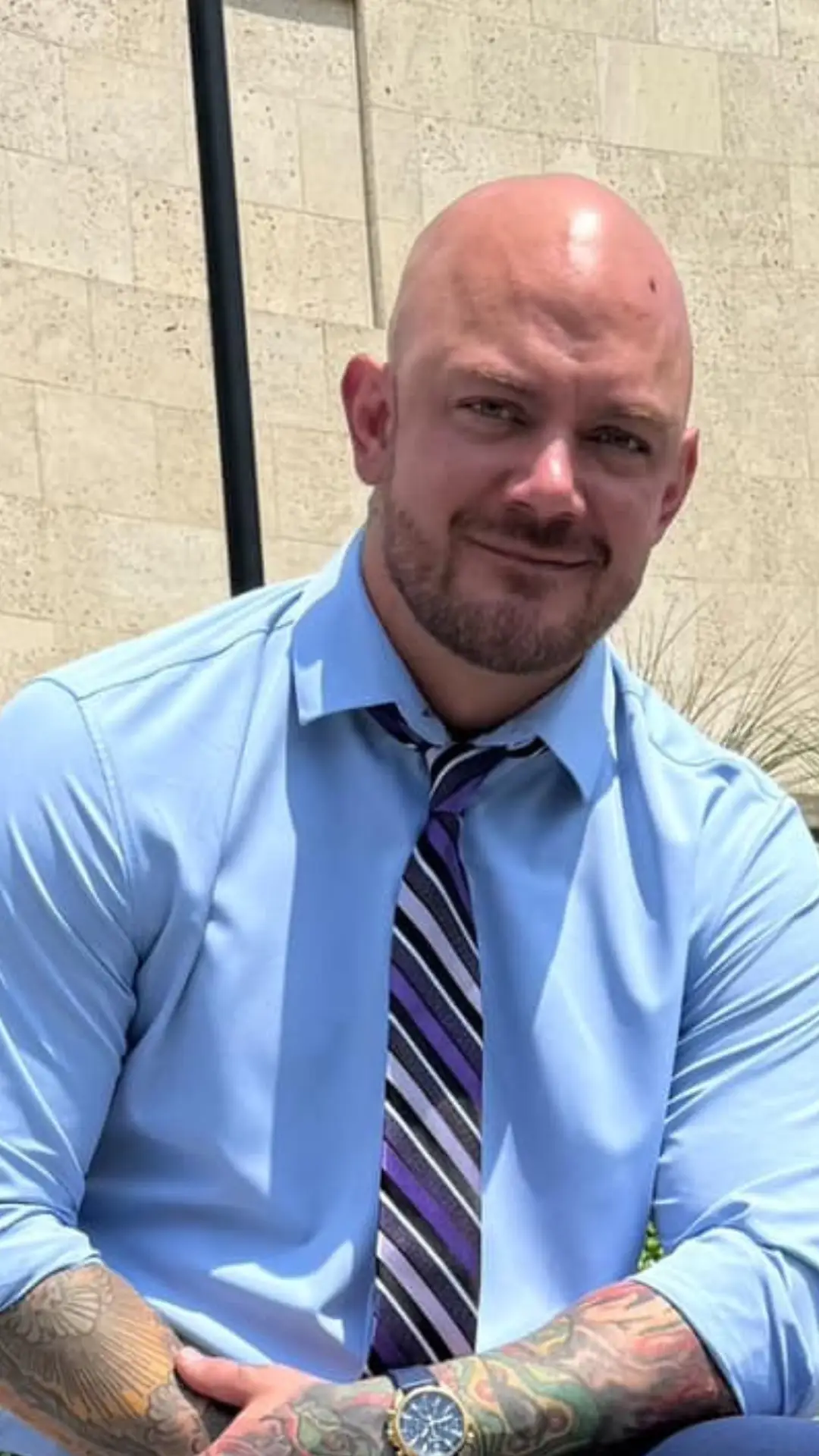
Written by Adam Vibe Gunton, Founder and Managing Partner of Behavioral Health Partners.
Reviewed by Dr. Angela McMahon, EdD in Psychology, BHP Licensing and Compliance Partner.
Adam is a person in long-term recovery, bestselling author of From Chains To Saved, TEDx speaker, and a founding member of Radix Recovery in Cedar Rapids, Iowa, which had one of the most successful treatment center launches in history.
Dr. McMahon holds a master's degree in Counseling Psychology and specializes in state licensing, Joint Commission, CARF, levels of care, and ASAM criteria. She leads the licensing practice behind the team's 100+ state licenses and 100% success rate.
Published July 28, 2026