Consulting: Licensing and Compliance

Treatment Center State Licensing, Run by the Team With a 100% Success Rate

State licensing is the step that decides your opening date. Our licensing team has secured 100+ state licenses across more than 20 states, and every application submitted has resulted in a secured license.

The recordLed by Dr. McMahon
100+licenses20+states6 monthssaved

What State Licensing Is

State licensing is the legal permission your treatment center needs before it can serve a single client, issued by your state's health authority and specific to your level of care. The process covers your application, your policies and procedures, your physical plant, your staffing plan, and a survey. The BHP licensing team, led by Dr. Angela McMahon, has secured 100+ state licenses with a 100% success rate, and typically saves founders an average of six months.

What the process covers

01

Application

filed with your state authority

02

Policies and procedures

written for your state

03

Physical plant

checked against the category

04

Staffing plan

qualifications the category demands

05

The survey

passed on the first visit

Watch: Rehab Center Licensing Explained

Adam on what state licensing actually requires, where new facilities lose months, and how to get approved faster.

What Does State Licensing for a Treatment Center Involve?

Each state mandates specific licensure for addiction treatment facilities, typically through the state health department, and everything flows from your license category: what a rehab license requires varies by level of care, so confirming your category is step one. From there, state regulations define your physical plant requirements, staff qualifications, clinical documentation standards, and the survey you must pass before the license is issued.

The survey is where it all converges. State reviewers walk your building against the physical plant requirements, pull your policies and procedures, check staff files against the qualifications your category demands, and review clinical documentation standards before the license is issued. Facilities that treat the survey as a formality lose months; facilities that prepare for it as the real exam it is pass it on the first visit.

Licensing also sits inside a wider compliance picture: HIPAA and 42 CFR Part 2 for records, DEA registration where medication assisted treatment is part of the program, and Certificate of Need approval in the states that require it. None of it is optional, and all of it is manageable when it is sequenced by people who have filed these applications in more than 20 states.

Where the survey looks

the building against the physical plant rules

your policies and procedures

staff files against the category

clinical documentation standards

Licensing vs. Accreditation: You Need Both, in That Order

Licensing

Mandatory state permission to operate, specific to your level of care. The license opens your doors.

Accreditation

A voluntary quality standard from The Joint Commission or CARF that payers treat as mandatory. It grows what walks through the doors.

Licensing is mandatory state permission to operate. Accreditation from The Joint Commission or CARF is a voluntary quality standard that payers and referral partners increasingly treat as mandatory, especially for in-network contracts. The license opens your doors; the accreditation grows what walks through them. We run both practices, and the smart sequence is licensing first with accreditation prep overlapping, which is exactly how our Joint Commission accreditation service is built to slot in.

The Record, in Four Numbers

100+

state licenses secured by our licensing team, led by Dr. Angela McMahon

100%

success rate: every application submitted has resulted in a secured license

20+

states where our team has taken programs through licensure

6 months

saved on average versus managing the process alone

Honest Timelines, State by State

Timelines vary enormously because state laws do. Our fastest licenses have come through in as little as 2 months, most states average 3 to 4 months, and New York and New Jersey can take 12 to 24. Those are numbers from our own casework, not brochure optimism, and you will get your state's honest answer on the first call.

The calendar killer is not the state's clock. It is rejected and resubmitted applications: every cycle adds months, and every month between lease and license is rent without revenue. The application that goes in complete and right the first time is the entire game, and it is why the 100% figure above matters more than any speed claim.

The other lever is running steps in parallel instead of in sequence. Licensing can move while your building is under construction, while your clinical leadership is being hired, and while accreditation prep is underway. We licensed our own facility that way, and it is the difference between a license that arrives to an empty shell and a license that arrives to a center ready to admit.

From our own casework

2 months our fastest licenses

3 to 4 months most states

12 to 24 months New York and New Jersey

Our State Licensing Process

1

Category confirmation

Your level of care maps to a license category, and the category sets the requirements list. Getting this wrong restarts everything, so it comes first.

2

Application management

We prepare and manage the full application with your state authority, built from what that specific state's reviewers expect to see.

3

Policies and procedures

The manual is a licensing document, a survey document, and a staff training document at once. Ours are written for your state and your programs, not adapted from a template.

4

Documentation and physical plant readiness

Staffing plans and qualifications, clinical documentation standards, governing documents, and the building itself, checked against the category's requirements.

5

Survey preparation

Mock walk-throughs and record reviews so survey day confirms what already works instead of discovering what does not.

6

License in hand, protected

Post-license compliance systems, so the license you earned survives your first audit and every one after it.

The division of labor

The division of labor is plain. You bring the vision, the site, and the people; we bring the applications that have gone through in more than 20 states, the policies and procedures your state's reviewers expect, and the experience of licensing our own 68-bed facility while it was still under construction. You will always know which step your application is on, what the state is waiting for, and what happens next, because a licensing process you cannot see into is a licensing process you cannot plan around.

Rehab Licensing Requirements by State

Every state runs its own licensure, its own timelines, and its own definitions of care. State-by-state licensing guides are coming for all 50 states, and the directory below converts to links as each guide publishes. Florida deserves its callout now: Florida requires DCF certification for addiction treatment providers through the Department of Children and Families, with requirements set by the level of addiction services you provide. If your state's guide is not live yet, the process above applies everywhere, and our team has worked in more than 20 states.

Each state guide will cover the licensing authority and license categories, the application and survey process, physical plant and staffing requirements, realistic timelines from our casework, and the state-specific traps that cost founders months. Until yours publishes, bring your state to the discovery call and you will get the same answers live.

State licensing guidesGuides coming for all 50 states

RegionWest

Each state becomes a link the day its guide publishes.

Where Licensing Fits in Your Build

01

Feasibility study

proves the market exists

02

The proforma

proves the numbers work

03

State licensing

makes it legal

04

Accreditation

makes it fundable at scale

Licensing is step three of the sequence. A feasibility study proves the market exists. The proforma proves the numbers work. Licensing makes it legal, and Joint Commission or CARF accreditation makes it fundable at scale. If you are earlier in the journey, start with our complete guide on how to open a rehab center. When you want the whole road handled by one team, our consulting team walks it with you.

You are here

market proven

numbers modelled

licence in progress

State Licensing FAQs

Yes. Every state requires specific licensure for addiction treatment facilities, typically through the state health department, and your license category is defined by your level of care. No license, no clients, no exceptions.

Our fastest licenses have come through in as little as 2 months, most states average 3 to 4 months, and New York and New Jersey can run 12 to 24. Working with our team typically saves founders an average of six months versus managing the process alone.

Licensing is mandatory state permission to operate, specific to your level of care. Accreditation from The Joint Commission or CARF is a voluntary quality standard that payers treat as mandatory in practice. You need the license to open and, realistically, the accreditation to grow.

State application fees vary widely, but the real cost is time: every month between lease and license is rent without revenue. Our licensing engagement is scoped to your state and level of care and quoted on the discovery call.

The core set is consistent across states: your policies and procedures manual, staffing plan with qualifications, physical plant documentation, clinical documentation standards, and governing documents. The details vary by state and level of care, which is where the category confirmation step earns its keep.

In most states, yes, and you should. We licensed our own 68-bed facility while it was still under construction. Running licensing in parallel with construction, hiring, and accreditation prep is how experienced teams compress the calendar.

Rejected and resubmitted applications are where licensing calendars die, which is why the application goes in right the first time. Our team's record: 100+ licenses, and every application submitted has resulted in a secured state license.

New York and New Jersey run 12 to 24 months. Certificate of Need states add an approval step before licensure. Your state's honest picture, with timelines from our own casework, is a first-call conversation.

Florida requires DCF certification for addiction treatment providers through the Department of Children and Families, with requirements set by the level of addiction services you provide. It is also the most competitive treatment market in the country, so plan the market side as carefully as the license.

Free Discovery Call

License It Right the First Time

Thirty minutes, your state's honest timeline, and a clear first step whether we work together or not. The record on this page is checkable on the call.

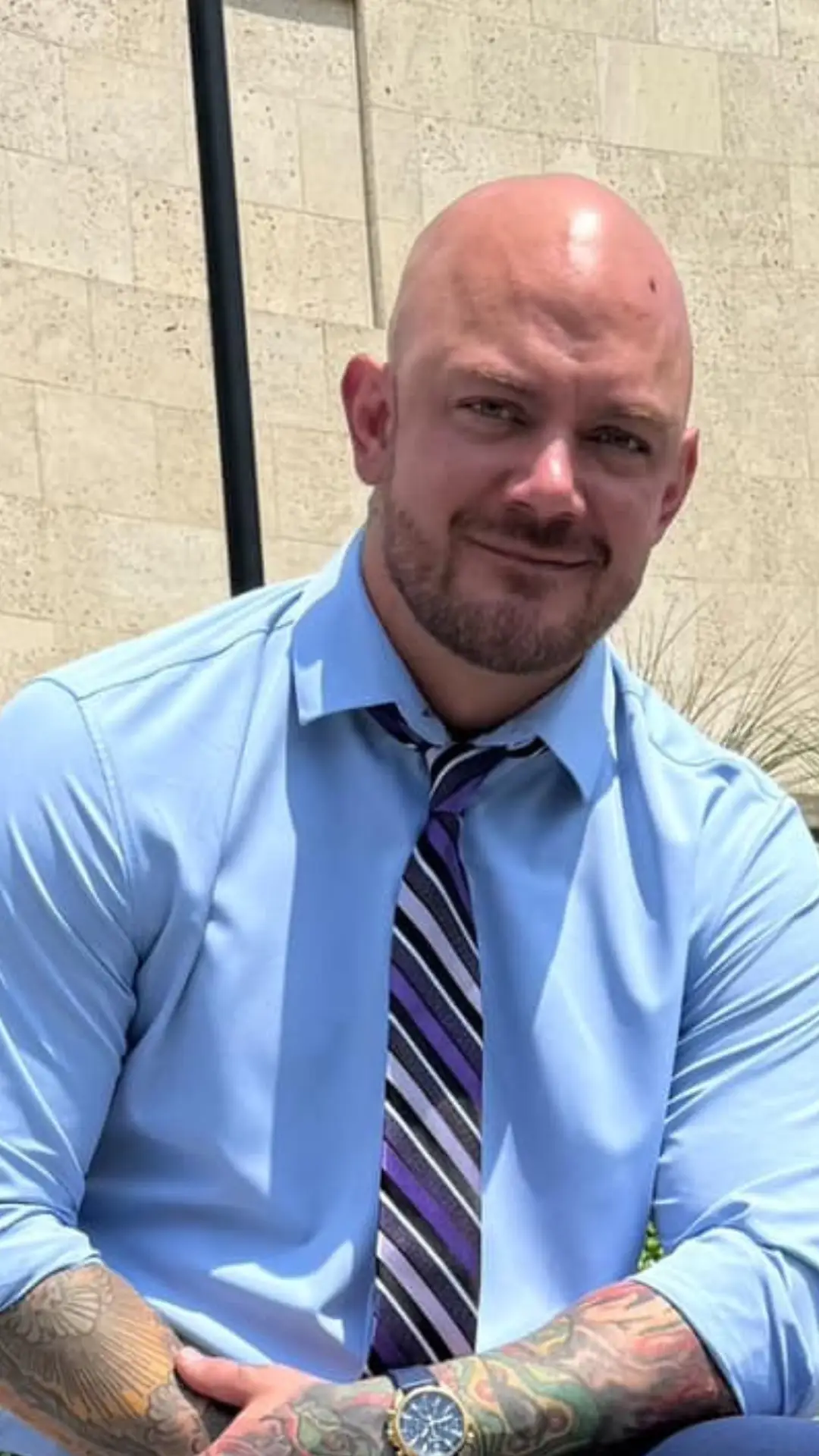
Adam Vibe GuntonDr. Angela McMahon

Written by Adam Vibe Gunton, Founder and Managing Partner of Behavioral Health Partners.

Reviewed by Dr. Angela McMahon, EdD in Psychology, BHP Licensing and Compliance Partner.

Adam is a person in long-term recovery, bestselling author of From Chains To Saved, TEDx speaker, and a founding member of Radix Recovery in Cedar Rapids, Iowa, which had one of the most successful treatment center launches in history.

Dr. McMahon holds a master's degree in Counseling Psychology and specializes in state licensing, Joint Commission, CARF, levels of care, and ASAM criteria. She leads the licensing practice behind the team's 100+ state licenses and 100% success rate.

Published July 28, 2026