
insurance credentialing, before a dollar arrives
Consulting: Business Planning
A business plan is what turns your treatment center from an idea into a fundable project. We build them with founders, with the feasibility data and proforma numbers already inside.


A drug rehab business plan is the document that explains how your treatment center will work as a business: the clinical model, target market, legal structure, staffing plan, marketing approach, and financial projections, ending in the funding you need to open. Lenders and investors read it before anything else, and a quality business plan is essential for securing funding. A comprehensive business plan takes about 30 hours to develop when the inputs exist. Ours are built with founders, on real market data, by operators.
Ten minutes with Adam on the mistakes that stall new facilities, from the business plan through licensing and launch.
The right business plan answers every question a lender will ask before they ask it. A well developed business plan for rehab centers includes:
Executive summary: the whole business on one page, written last and read first. Most funding decisions are half-made before the reader gets past it.
Market analysis: a market feasibility assessment built on real market research into community needs, local demographics, and local competition. If you have run a feasibility study, this section is already done and defensible.
Services and programs: the levels of care your treatment programs will offer, the treatment services behind them, and who they serve.
Ownership and governance: entity, who signs what, decided with counsel and documented here.
Staffing plan: state licensing agencies specify minimum staffing ratios, clinical directors must meet specific state credential requirements, and accreditation bodies impose additional staffing standards on top. Staffing is the largest ongoing expense for treatment centers, so this section carries real numbers, not titles.
Marketing and referrals: how beds fill from day one, because successful rehabilitation businesses depend on strong referral relationships with local healthcare providers.
Financial projections: monthly revenue and expense forecasts, a break even analysis, and the capital ask. This section summarizes your proforma, which carries the full model.
Here is the section most first drafts get wrong, and the one underwriters read twice. Insurance credentialing takes 90 to 180 days to complete, reimbursement arrives weeks behind the care you deliver, and your rent, payroll, and insurance do not wait. The plan that survives underwriting shows a working capital reserve sized for that gap, month by month, and a cash flow story that still works if the census ramps slow, because the gap lands on the business owner, not the payer.
This is why we build the proforma before the business plan: the cash flow section is only as honest as the model behind it, and the lenders who underwrite rehab centers can tell the difference between projections and hope in about a page.
insurance credentialing, before a dollar arrives
reimbursement lands after the care is delivered
rent, payroll and insurance do not wait
sized month by month, or the plan fails underwriting
$100K to $300K
self funding, the usual first stack
$5 million
the SBA 7(a) ceiling
$32.6 billion
the market this is projected to reach
Funding options for rehabilitation businesses include bank loans and investors, and the real stack usually mixes several sources. Self-funding of $100,000 to $300,000 is how most founders cover their first startup costs. SBA 7(a) loans can provide up to $5 million. HRSA administers several grant programs for addiction treatment startups. USDA loans offer low-interest financing for rural treatment centers. And private equity has heavily invested in behavioral health facilities, because the market is projected to reach $32.6 billion.
Every source on that list reads the same document first. For the business owner raising a first addiction treatment center, the plan is the pitch; for the experienced operator, it is the proof that this expansion is not a bet. Drug rehab centers get funded when the plan reads like the operator has already run one, and the standard is identical either way: a plan a stranger could underwrite.
One honest disambiguation before the models: a rehabilitation business can also mean physical or occupational therapy. This page, and our whole practice, is drug and alcohol treatment and mental health, only. The planning question that matters is which levels of care your market needs: inpatient rehabilitation facilities provide 24/7 medical supervision and daily therapy, outpatient programs let people live at home while in treatment, and many rehab centers step people through both. Your target market, payer mix, and the substance abuse picture in your community decide the model, not preference.
deepest medical staffing, shortest stays
facility heavy: property, food service, 24 hour coverage
lighter, opens faster, lives on referral flow
Each model rewrites the plan underneath it, and rehab centers of every kind answer the same lender questions differently. A detox center plans for the deepest medical staffing and the shortest stays. A residential alcohol rehab or drug and alcohol treatment center plans facility-heavy: property, zoning, food service, 24-hour coverage. An outpatient rehabilitation center plans lighter and opens faster, and it lives or dies on referral flow. Market conditions and local competition shape which model wins where you are, and your competitive edge is the gap your market analysis proves, priced at the payer mix your market actually supports.
Regulatory compliance is not a section, it is a budget line and a calendar. Every state has its own licensing agency for rehab centers, applications typically require site visits and policy reviews, and licensing processes can take 3 to 9 months in many states, and treatment facilities in California, Florida, and New York face some of the most complex processes in the country. Zoning laws must be complied with before rehab facilities open, and the plan that impresses a lender is the one that shows the licensing requirements, the regulatory requirements behind them, and the months they cost, already priced in. Our state licensing team feeds this section directly.
licensing, in many states
and policy reviews, on their schedule
some of the most complex processes in the country
not a section at the back
1
The feasibility study and the proforma come in before a word is written, because a plan without data is a brochure.
2
Level of care, target market, payer strategy, and the gap your rehabilitation center fills.
3
Staffing mapped to your state's ratios, the professional staff your license category demands, and the compliance calendar.
4
Projections, the break even point, the capital ask, and the cash flow reserve that survives underwriting.
5
Written for the reader who says no for a living: complete, sourced, and honest about risk.
6
The same truth, structured as a pitch, with the executive summary doing the heavy lifting.
Operator review
Expert guidance plays a crucial role at exactly two moments: before you write, when the structure is set, and before you submit, when a lender's eyes find the soft spots. We are operators who planned, licensed, and opened a 68-bed facility of our own, and the rehab owners we work with get that version of the review, not a template with their logo on it.
01
proves the market
02
explains the company
03
proves the numbers
04
makes it legal
05
makes it fundable at scale
The startup sequence runs in order: the feasibility study proves the market, the business plan explains the company, the proforma proves the numbers, state licensing makes it legal, and accreditation makes it fundable at scale. Lenders fund sequences, not documents: when the three core documents agree with each other, the underwriting conversation gets short. If you are earlier in the journey, start with our complete guide on how to open a rehab center. When you want the whole road handled by one team, our consulting team walks it with you.
An executive summary, a market feasibility assessment, your services and levels of care, legal structure, a staffing plan, the marketing and referral strategy, and financial projections with monthly revenue and expense forecasts, a break even analysis, and your capital ask.
A comprehensive business plan takes about 30 hours to develop when the inputs already exist. Without a feasibility study or financial model behind it, it takes much longer and says much less.
The feasibility study proves the market exists. The business plan explains how the company will run. The proforma proves the numbers work. Lenders read all three, in that order, and each one feeds the next.
Yes. A quality business plan is essential for securing funding from investors, and banks, SBA lenders, and grant programs all require one before capital moves toward rehab centers.
Self-funding of $100,000 to $300,000 is the most common starting stack, SBA 7(a) loans can provide up to $5 million, and the real number depends on your level of care and market. Your proforma replaces the ranges with your numbers.
That decision belongs with your attorney and accountant, because it depends on your state, your investors, and your liability picture. The plan's job is to document the choice and show lenders the governance behind it.
The addiction treatment market is projected to reach $32.6 billion, and private equity has heavily invested in behavioral health facilities. Capital is watching this industry, which makes a credible plan more valuable, not less.
With you, not for you. You bring the vision and the market knowledge; we bring the structure, the data, the lender's perspective, and the experience of planning a 68-bed facility of our own.
Free Discovery Call
Thirty minutes, an honest read on your model and your market, and a clear first step whether we work together or not. Bring the idea; we will tell you what the plan needs before a lender does, and the data it needs behind it.
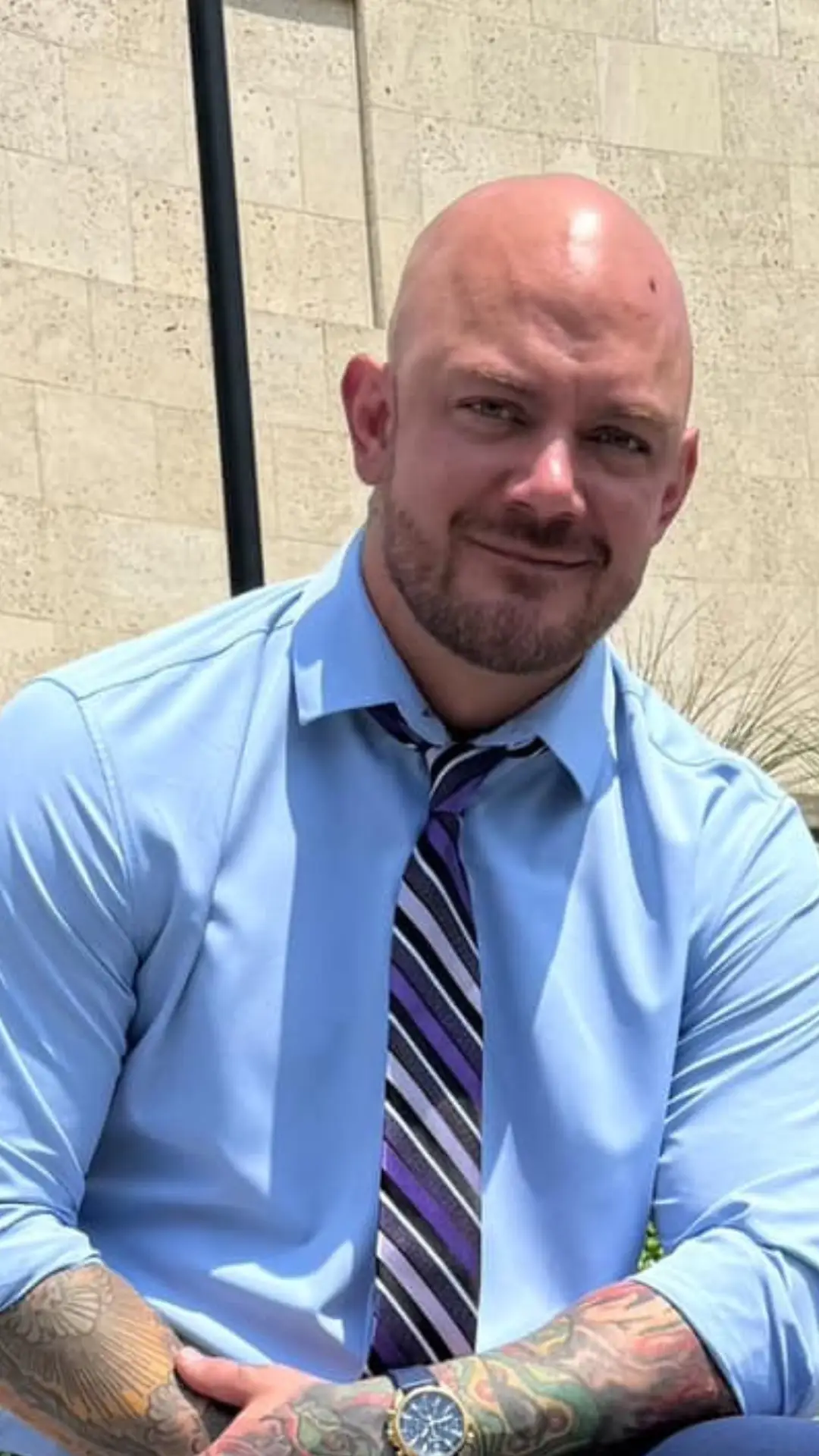

Written by Adam Vibe Gunton, Founder and Managing Partner of Behavioral Health Partners.
Reviewed by Dr. Angela McMahon, EdD in Psychology, BHP Licensing and Compliance Partner.
Adam is a person in long-term recovery, bestselling author of From Chains To Saved, TEDx speaker, and a founding member of Radix Recovery in Cedar Rapids, Iowa, which had one of the most successful treatment center launches in history.
Dr. McMahon holds a master's degree in Counseling Psychology and specializes in state licensing, Joint Commission, CARF, levels of care, and ASAM criteria. She leads the licensing practice behind the team's 100+ state licenses and 100% success rate.
Published July 28, 2026